SPECIAL BONUS THROUGH OCTOBER 31st:
**Get the Sensory Bin Guide (normally $23) included FREE with your purchase.**
The 'Mom, Play With Me!' Loop Ends Here
Teach your toddler to play independently for longer and reduce screen time the easy way.
- Longer Independent Play
- Less Screen Time
- Calmer Days
Does this sound familiar?
- You keep setting up cute activities, but your child only plays with them for a few short minutes…
- Your toddler won’t play unless you’re right there beside them…
- Your child consistently begs for more screen time and then melts down if they don’t get it…
Every day doesn't have to feel like the same activity hamster wheel
You set up an activity. Two minutes later, they’re back… following you around, whining, telling you they’re bored. So you hand over a screen, just to get a break. And now the guilt and worry set in. You wonder:
Are screens hurting them? Am I doing this wrong?
No One Told Us...
Screens Would Do This
No one told us that all that “easy” entertainment would get our kids so used to constant stimulation that they’d lose the ability to entertain themselves.
No one told us it would slow down the very skills that childhood is supposed to build (like attention span, focus, creativity, and independence).
Until now.
It’s time to teach your toddler independent play to get them back on track.
Independent play is a skill and can be taught.
You don’t need constant screen time, and you don’t need to be the only thing standing between your toddler and boredom.
The Research On Screens Is Clear
Child development experts have found that excessive screen time doesn't just fill time, it changes how toddlers' brains develop:
Overstimulated and unable to settle:
Screens make it harder for toddlers to calm down and self-regulate
Shorter attention spans:
Constant screen stimulation weakens their ability to focus
Stalled language development:
Screen time replaces the back-and-forth interaction toddlers need to build language skills
Delayed emotional regulation:
Toddlers miss out on practicing how to manage big feelings on their own
Reduced creativity and problem-solving:
Screens do the thinking for them, so they don't get the practice
You DON'T Need More Activities
Your child just needs to learn how to play independently.
“Our home is less chaotic and we have a better flow to our days now. My kids are becoming more independent, solving problems on their own, and I get time to get things done around the house.”
“I know I’m not a bad mom, but sometimes I need a reminder that I don’t need to entertain my kid all day long to be considered a good one. This course gave me permission to take a break and not feel guilty about it.”
“This course changed our whole house. My wife is more relaxed, the kids are getting along better, and when I come home everyone seems calmer and less overstimulated. It feels like we finally have breathing room.”
Meet Independent Play:
A Break For You, Growth For Them
This online course is designed to help parents of toddlers create simple, screen-free play routines that support independent play for longer stretches.
- No complicated activity setups.
- No Pinterest projects.
- No pressure to do more.
You’ll get clear guidance that helps play last longer, so your days feel calmer and more doable.
Independent Play is Easy to Start (and Stick With)
Quick to Implement
Small shifts you can try right away, no big prep or overhaul required.
Just a Little at a Time
Designed to fit into real life, even on your busiest days.
Go at Your Own Pace
Pause, revisit, or move ahead whenever it works for you.
See Fast Progress
Notice longer stretches of independent play within a week.
Get Expert Support Via Email
Email Kari, EduPlay's creator, for personalized help.
What if playtime...
didn’t require so much from you?
The truth is… learning to play on their own is a skill, and like any skill, it has to be learned.
Many kids today haven’t had much practice playing without screens or adult guidance, so they don’t automatically know how to settle and stay engaged in play on their own.
But…
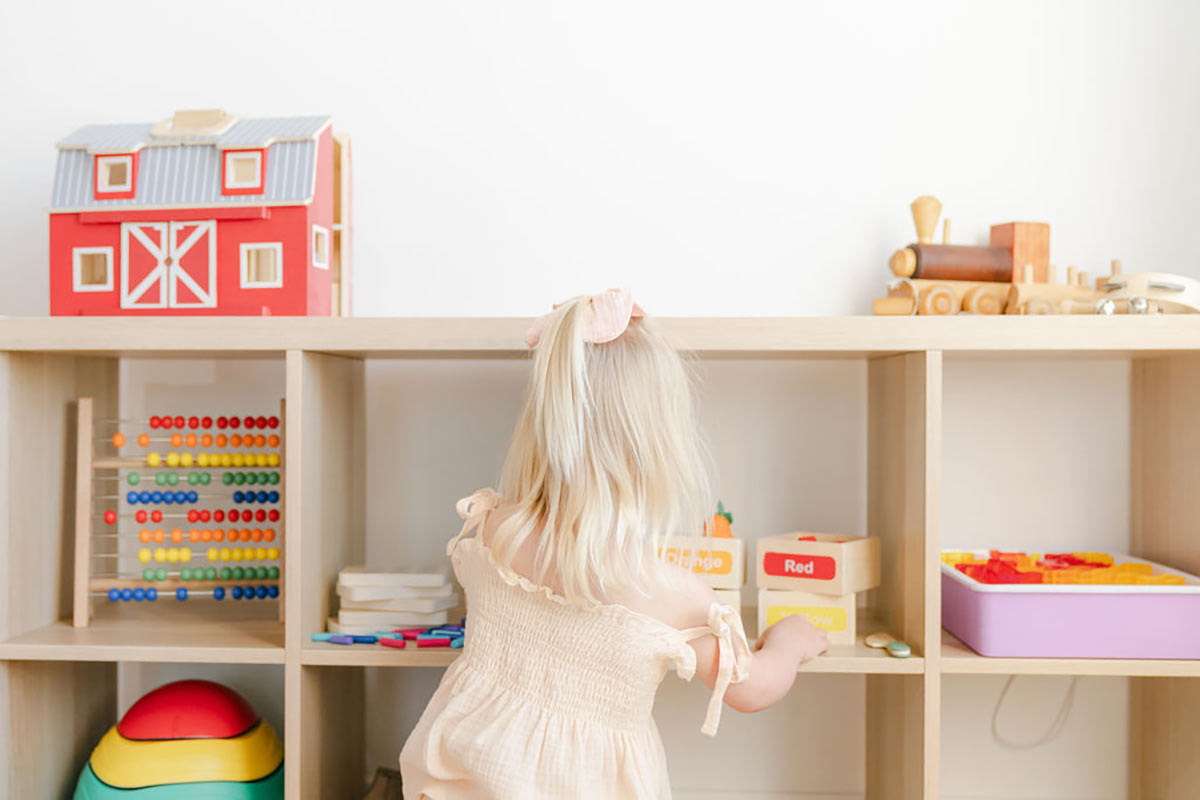
What if your child could play longer on their own without screens, elaborate activities, or constant involvement?
What if stepping back and encouraging independent play actually means your child will learn invaluable skills like:
- Independence
- Creativity
- Imagination
- Problem-solving
- Curiosity
- A love of learning that will last them a lifetime?
That’s what EduPlay was created for.
You'll Start to See Results Quickly
(And Finally Get Some Breathing Room)
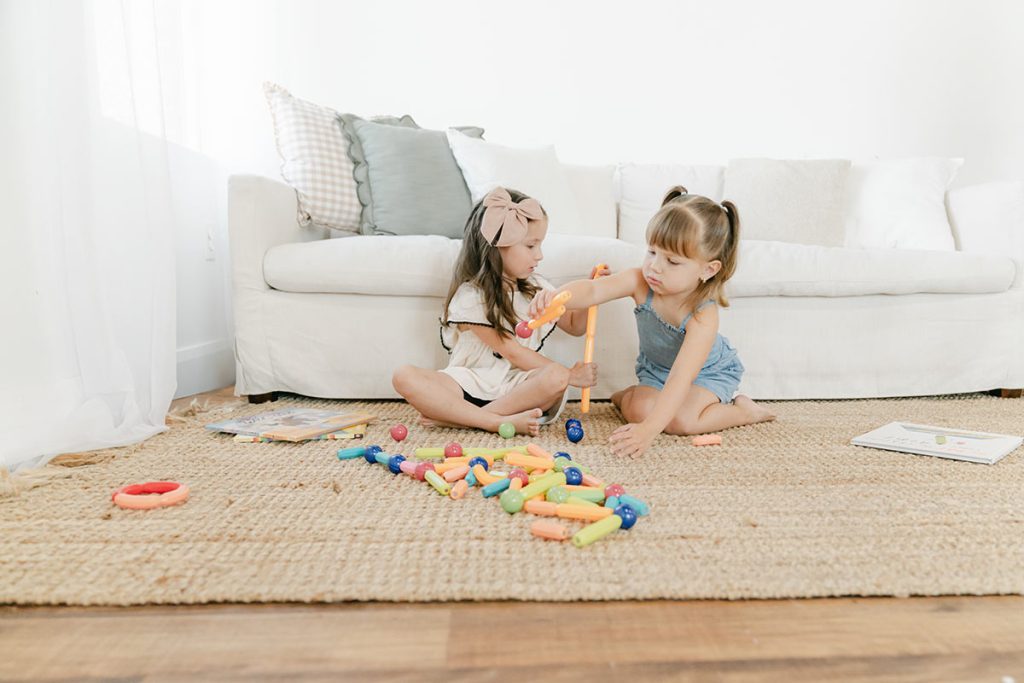
Every child is different, but here’s a picture of how independent play often unfolds when you start using the EduPlay Independent Play approach.
Week 1: Short stretches of play. You may notice less immediate pulling on you and more curiosity during play.
Around 2 weeks: Independent play lasts longer. Your stepping away feels easier for both of you.
By week 4: Many children begin initiating play on their own and can stay with it for much longer stretches, sometimes up to an hour or more.
This course is about building a skill gradually, in a way that’s realistic and sustainable for your family.
In 1 Week...
Short periods of independent play
In 2 Weeks...
Play lasts longer and curiousity grows
By Week 4...
Kids initiate play and go for an hour or more
Independent Play
Isn’t Just About Keeping Kids Busy
It’s about helping kids lay the foundation for lifelong learning and breaking the cycle of burnout in moms.
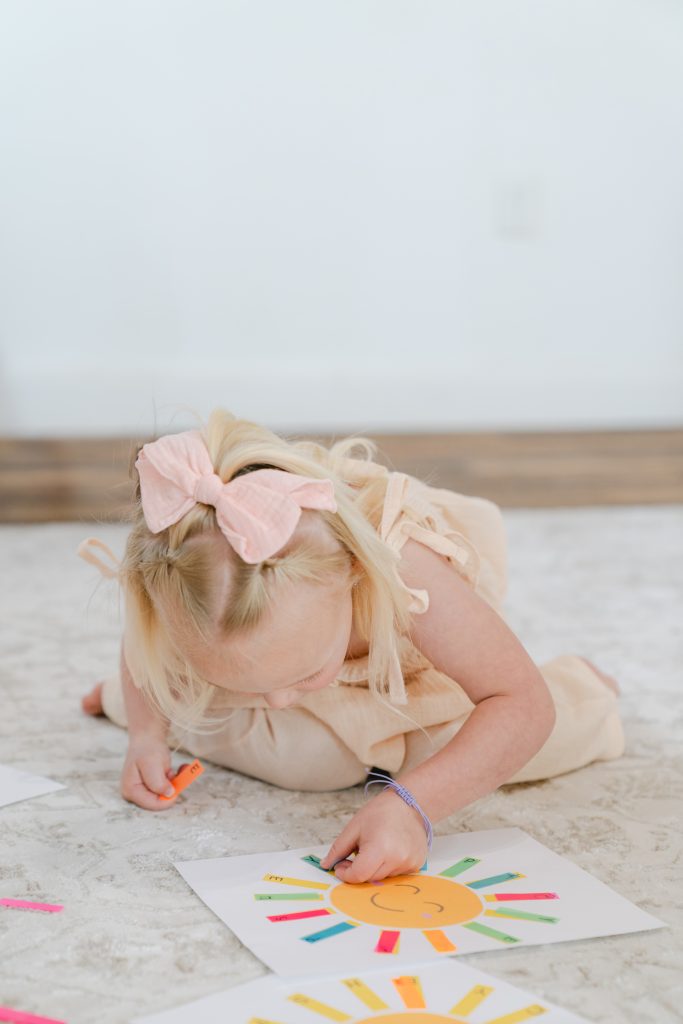
Supports Healthy Child Development
Every minute your toddler spends playing on their own is a minute spent building real, lasting skills:
- Emotional regulation: Learning to manage big feelings without outside help
- Attention span: Strengthening the ability to stay focused, not just stimulated
- Focus: Practicing sustained concentration on one thing at a time
- Imagination: Creating their own ideas instead of absorbing someone else’s
- Problem-solving: Working through challenges on their own, at their own pace
- Curiosity: Exploring freely, without being told what to do next
- Independence: Trusting themselves to figure things out
- A love of learning: That will last far beyond the toddler years
Helps Break the Cycle of Mom Burnout
When your toddler can play independently, it’s not just their world that changes for the better. Yours does too:
- Real breaks, built into your day: Not just stolen moments between demands
- Mental space to think clearly: Instead of running on constant interruption
- Less guilt around screen time: Because you have a better option that actually works
- More patience left over: You’re ready for the moments that really need it
- A chance to just be a person again: Not just an activities director
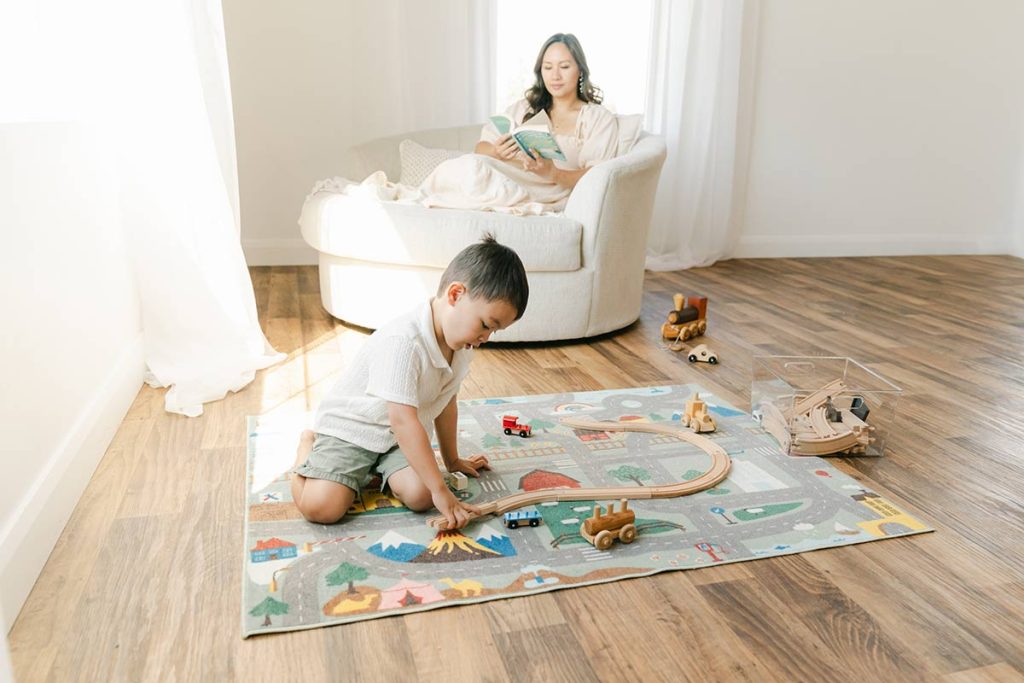
In a short time, you'll actually do less, not more, because your child is engaged, capable, and growing in independence.
Inside the Course,
You'll Learn:
The power of independent play:
What it is, why it matters, and how it supports long-term, healthy growth and development.
What’s realistic at every age:
When to start, what progress looks like, and how to build confidence instead of doubt.
How to set up your home for success:
Simple room shifts, toy rotation, and play types that naturally encourage longer play.
Your Independent Play Toolkit:
Editable routines, visual timers, and a progress tracker so you’re never guessing.
A simple Day One plan:
Step-by-step guidance plus what to avoid so you don’t accidentally derail progress.
Support for real-life scenarios:
Strategies for neurodivergent children and siblings so this works for your actual family.
As A Bonus, You'll Also Get:
Direct email support from Kari, so you’re never left figuring it out alone.
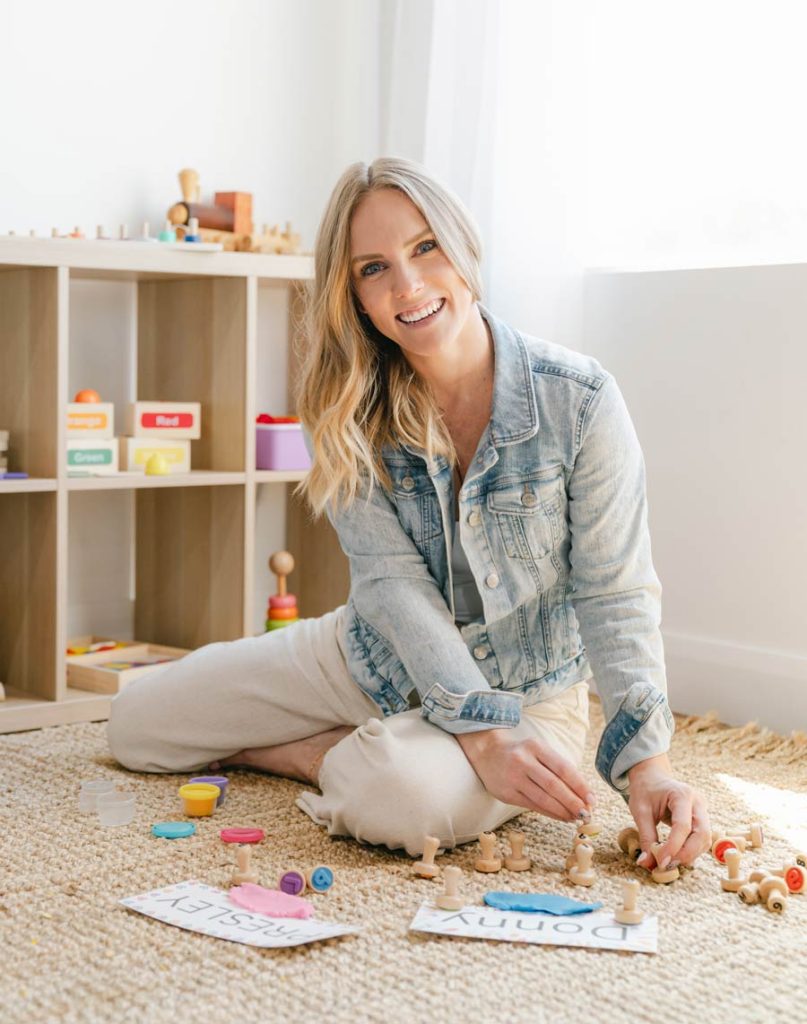
Hi! I'm Kari!
After ten years as a 5th grade teacher, I saw firsthand how too much screen time and a lack of independent play can affect kids negatively over time.
Many of my students struggled with focus, creativity, and confidence.
Now, as a mom, I know what it feels like to need a break while still wanting the very best for your child.
I don’t believe parents need more to do or more pressure to get it “right.” I believe kids can learn how to play independently, and parents deserve breathing room without guilt.
EduPlay is my way of sharing a calmer, screen-free approach that supports your child’s development AND your well-being, so parenting feels more sustainable and a little lighter day by day.
Here's What No One Tells You:
Screens aren’t all bad. They can be helpful, especially in an emergency.
But when screens become the default… the main way kids stay occupied… many children miss the chance to learn how to play independently (and the growth and development that comes with it).
Independent play is a skill. It has to be learned. Your child isn’t failing. You aren’t doing anything wrong. You just need an easy way to teach independent play… not more activities or toys.
3 Simple Steps to Calmer Days
With just a few simple steps, independent play becomes easier and your days feel lighter.
1
Start the course today
Jump in and learn the basics of independent, screen-free play at your own pace.
2
Gradually lengthen playtime
Use easy routines that help your child stay engaged in play longer (without complicated setups).
3
Enjoy calmer days, together
Move through your day with less stress while your toddler builds meaningful skills.
This Course Is For You If:
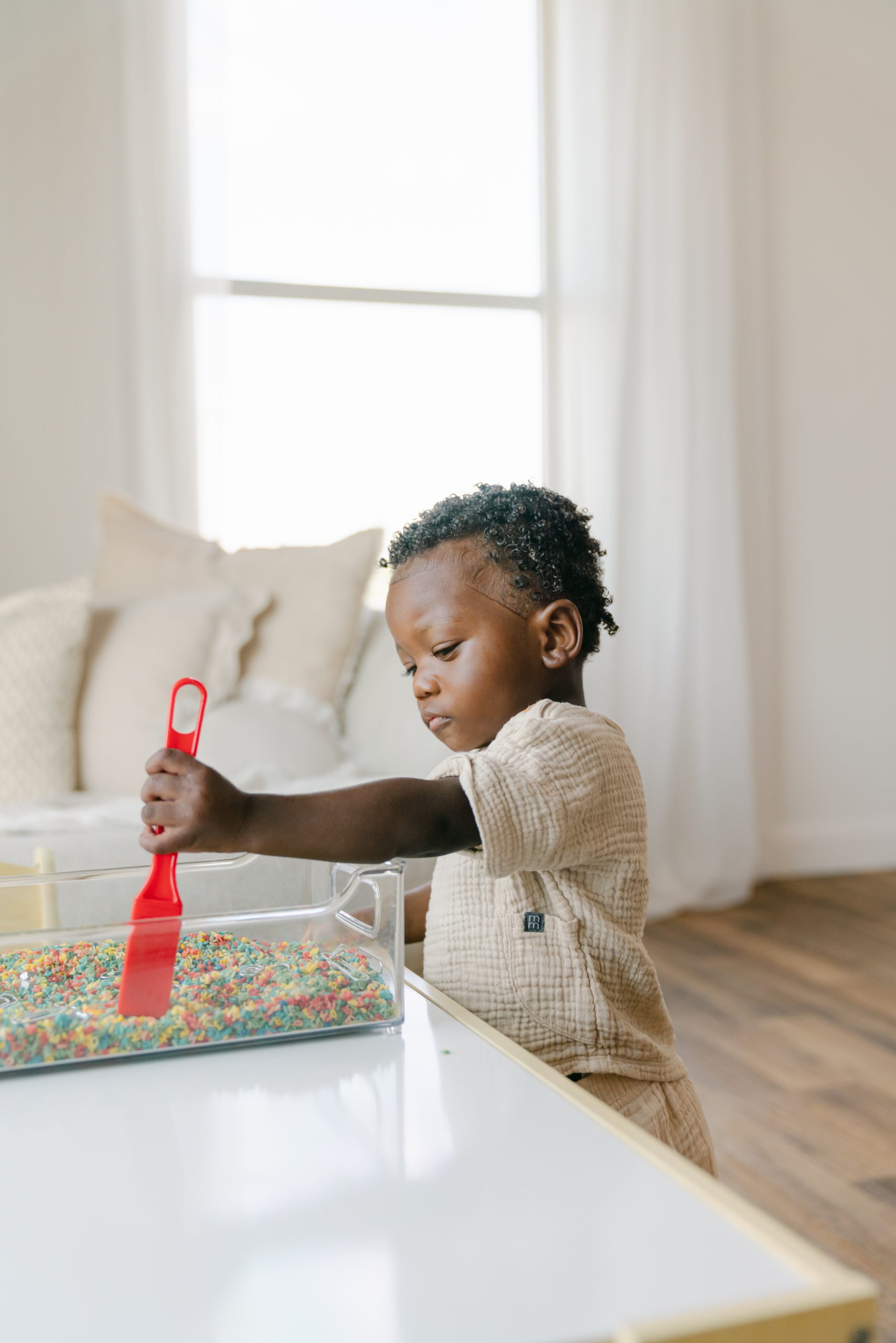
- You want your toddler to play independently instead of relying on screens
- You feel constantly interrupted and rarely have time to get things done, let alone take a break
- You’re craving calmer days, not more activities or pressure
- You want a simple, repeatable routine that works with real life, not against it
- You want to set your child up for a lifelong love of learning and exploring
With Independent Play,
You’ll Avoid...
- Digital overstimulation that shortens attention spans
- Developmental delays in focus, creativity, and problem-solving
- Missing opportunities to build fine motor and language skills
- Strain on young, developing eyes from excessive screen time
- Overbuying toys that add constant clutter but not deeper, longer play
Research across child development, psychology, and education is clear:
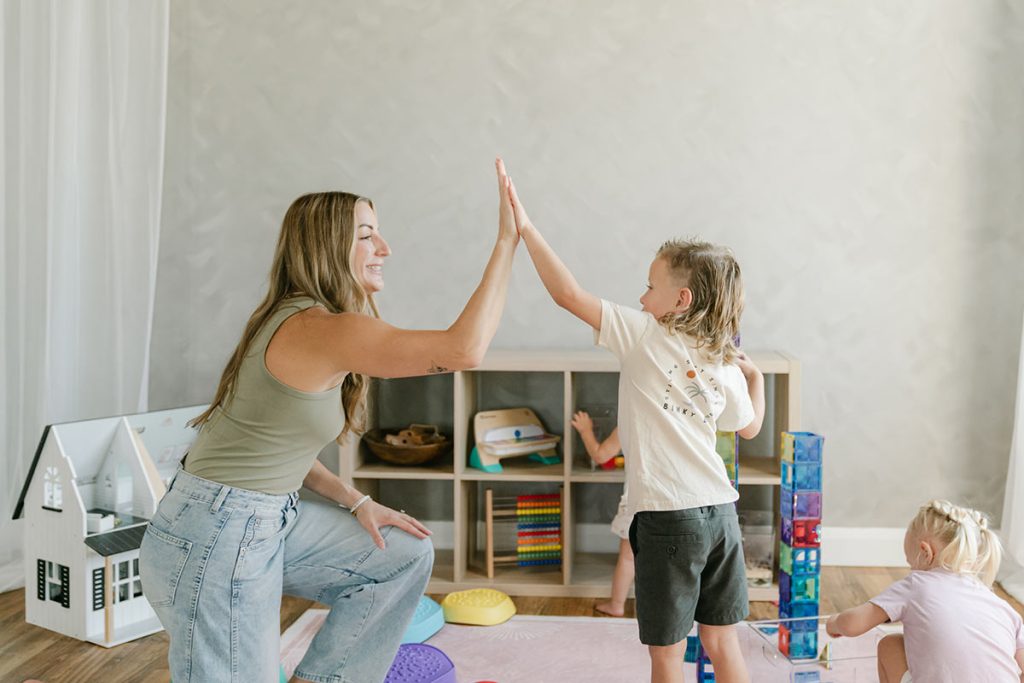
Independent, screen-free play supports long-term growth.
It shapes how kids’ brains develop.
I Know What You're Thinking...
“I don’t need another thing to manage”
This isn’t one more thing. It replaces the thing already draining you: constantly finding activities, resetting toys, being on call. You’re not adding a task… you’re ending one.
“I’ve already tried so many things”
Toys and Pinterest activities were never going to fix this, because they’re not the same category as a taught skill. You can’t buy your way to independent play any more than you can buy your way to a kid who ties their own shoes.
“My child would never go along with this”
Every kid resists at first. That’s expected, not a sign it won’t work. The course walks you through what resistance looks like at each age and what to do with it, so you’re not guessing or giving up on day two.
“It’s honestly easier to step in or turn on a screen”
Right now, yes. That’s exactly why it stays hard. Stepping in every time is what’s keeping the cycle going. Teaching independent play breaks the cycle. That way, easier isn’t just today’s shortcut… It’s how your days start to actually feel.
“This sounds great, but probably not for my family”
Built for ages 2-5, with specific guidance for neurodivergent kids and siblings. Not a Pinterest-perfect system, this course is built for your actual house on your actual bad days.
But... What If It Did Work?
What if change didn’t mean doing more or pushing harder, and instead meant leading play in a calmer, more supportive way that actually fits your family?
What if it simply gave your child the support they need to learn how to play independently and grow, in a way that feels easy and natural?
Just imagine:
- You get home from the grocery store, and your toddler immediately pulls out a toy and plays while you put the groceries away without feeling rushed
- You fold the laundry on the SAME day it was washed because your toddler isn’t next to you undoing your work
- Your toddler develops their imagination without you as their entertainment director
- You’re able to take a break without feeling like you aren’t doing enough because your child plays on their own
- You don’t have to rely on screen time to get stuff done and feel guilty about it later
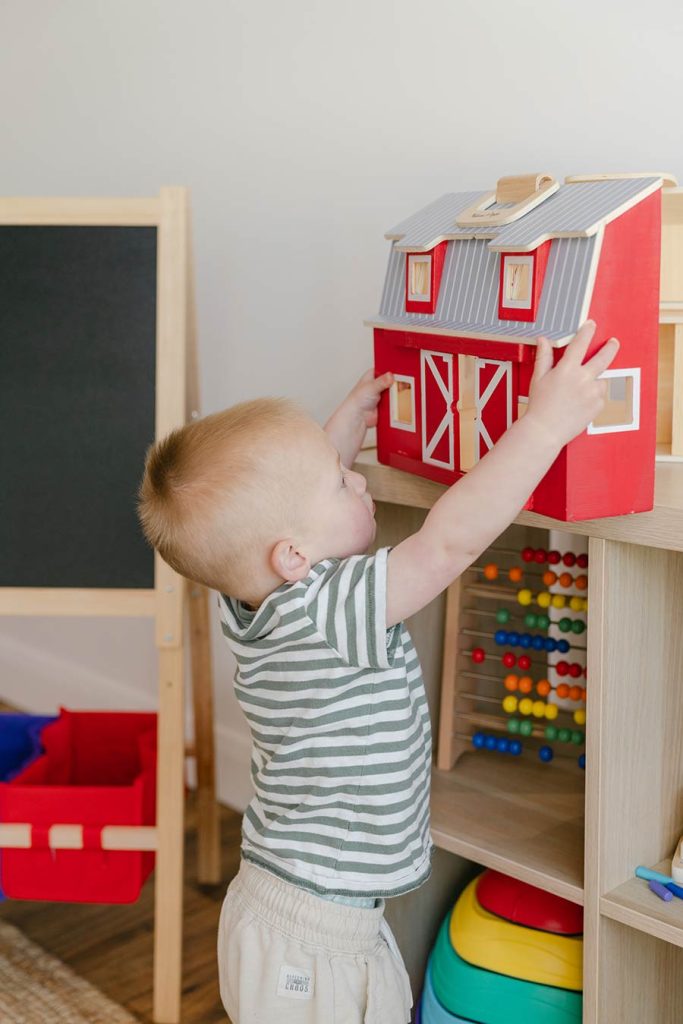
The Independent Play Course Is:
- 9 Short Video Lessons
- Easy to Implement
- Support for Screen-Free Play
- Essential to Child Development
- For Toddlers Ages 2 - 5
- For Neurodivergent Kids Too
- A Proven, Sustainable System
- Research-Backed
Start the Course Today!
You’ll get lifetime access to all course materials immediately.
Go at your own pace and you’ll start to see results quickly!
-
9 Transformational Video Modules
-
Printable Step-by-Step Guides for Each Module
-
Customizable Canva Routine Templates
-
Age-Based Play Starter Guide (No Prep Required)
-
Downloadable Checklists
-
Full Transcript PDFs
-
BONUS: Direct Email Access & Support from Kari
-
BONUS: Sensory Bin Guide (Valued at $23)
What This Can Change for You
When independent play becomes part of your day, the positive shifts go way beyond playtime.
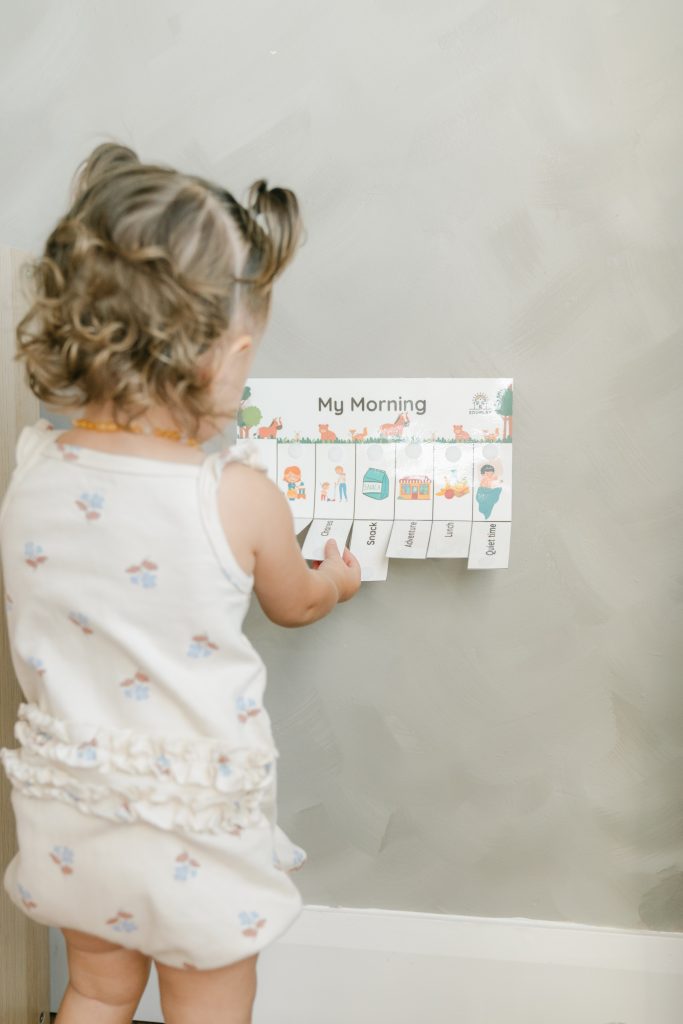
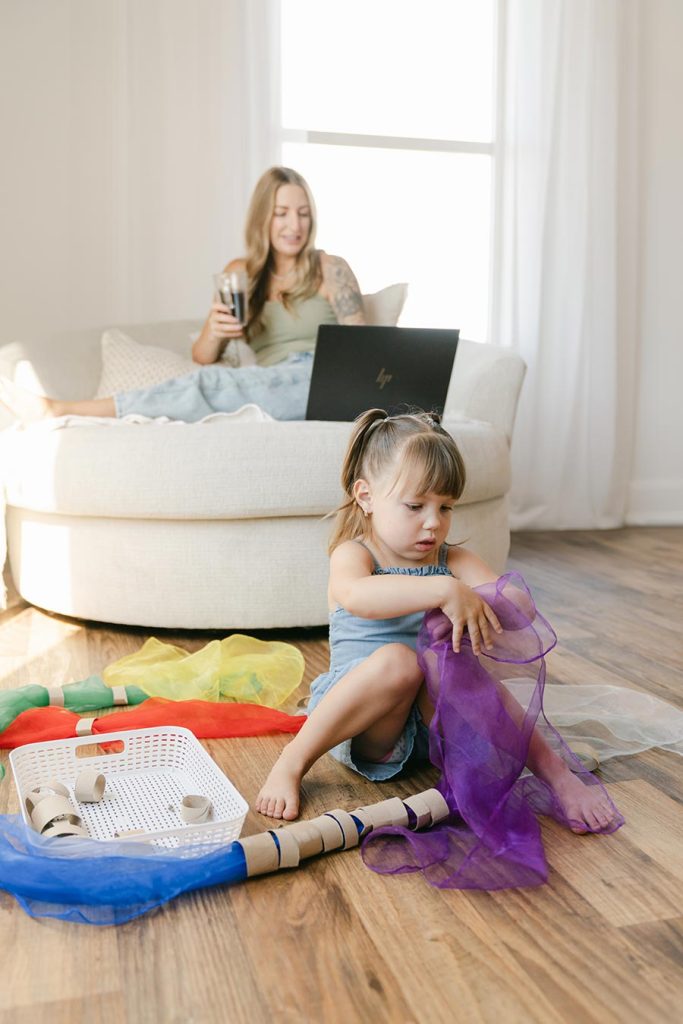
Calmer Home Rhythm
Your days feel steadier and easier to maintain, without constant interruptions or resets.
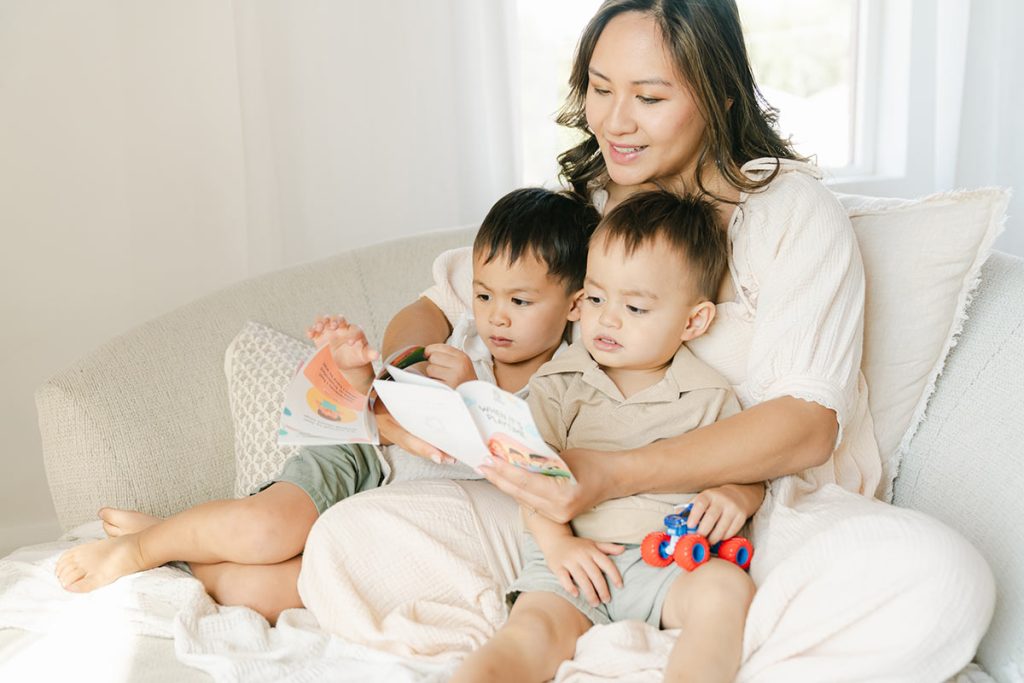
Less Screen Guilt
Screens stop feeling like the only option, and you feel better about how they fit into your day.
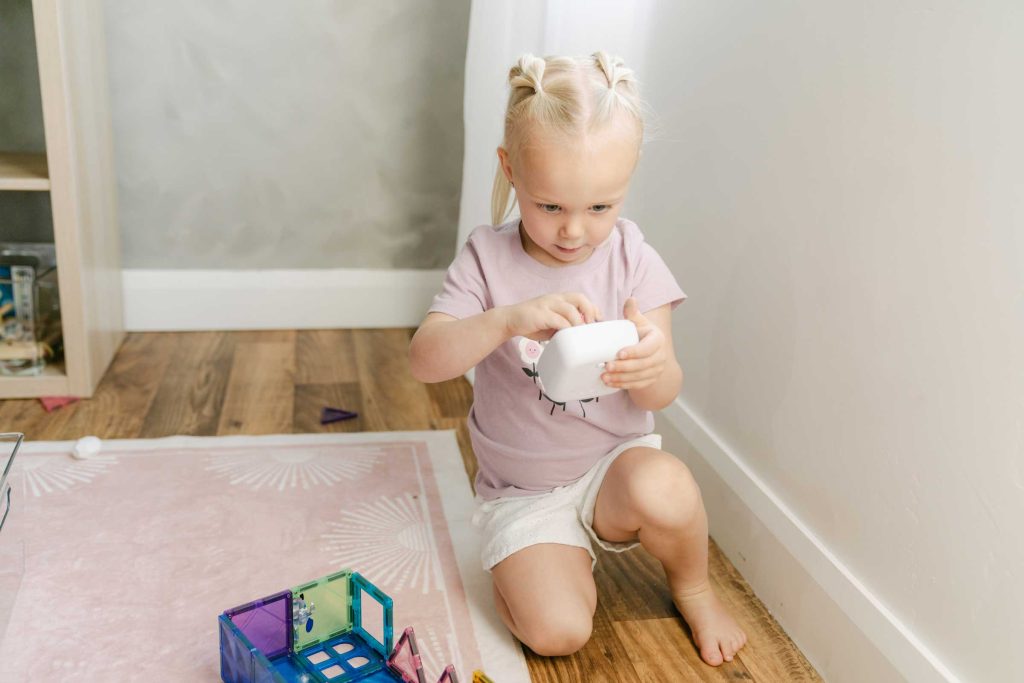
Real Pockets of Time
You can tidy up, prep dinner, answer messages, or work without being needed every few minutes.
Better Self-Care
You can rest and take care of yourself knowing your child is engaged and learning.
Don't Let Screens Stay the Default Because You’re Burned Out and Out of Options
Your family deserves more.
When Play Lasts Longer,
Life Feels Lighter
Your child just hasn’t learned how to play independently yet.
Here's what happens when they do:
Get back precious time!
“I was new to motherhood, and I was wholly unprepared for a neurodivergent kiddo (HF autism). EduPlay’s Independent Play course is a gift that will put families on a healthy path.
And while the tools taught here are great for all children, families with certain special needs need all the support they can get. They will struggle less, fight less, and cry less. It will give them back precious time.”
What a game changer!
“EduPlay is a wonderful program for parents wanting to sever the dependency our children have on screens and redefine their relationship as being “entertainers” to our children.
Truly, giving them the tools to help let their imagination grow (explode is more like it) is parenting at its best. EduPlay lays a foundation that children can stand on for years to come. What a game changer.”
One of the best things I’ve done for my kids!
“Our home is less chaotic and we have a better flow to our days now. My kids are becoming more independent, solving problems on their own, and I get time to get things done around the house.
Now I feel confident and way more in control of our daily routine. There’s way less screen time and so much more calm and joy. Honestly, this has been one of the best things I’ve done for my kids. It just works.”
Frequently Asked Questions
EduPlay is designed to fit into real life. The full course is under two hours total, broken into short,
easy-to-digest modules. Most parents spend just a little time each day applying what they learn and
start seeing changes quickly.
The course also includes extra direction on how to apply the routines with neurodivergent children.
EduPlay is best suited for toddlers and young children ages 2 – 5. The ideas are flexible and can be
adapted based on your child’s age, personality, and developmental stage.
EduPlay focuses on gentle routines and supportive steps that can be adjusted to meet your child
where they are. Many parents of sensitive, hesitant, or neurodivergent children find the approach
especially helpful because it’s calm, flexible, and pressure-free.
The course also includes extra direction on how to apply the routines with neurodivergent children.
This course doesn’t rely on rigid schedules or constant effort. It focuses on
teaching independent play as a skill, which makes the routines easier to maintain long-term instead
of feeling like another thing to keep up with.
Yes. EduPlay helps create shared language and simple routines that make it easier for partners to
support play in a consistent way. This often leads to less confusion and more teamwork at home.
Every child is different, but many parents notice small shifts within the first week.
Over time, play often lasts longer, interruptions decrease, and stepping away feels easier for both you and your child.
Not at all. EduPlay isn’t anti-screen or judgmental about screen time. The goal is to reduce reliance
on screens by giving you another option that actually works, so screens feel like a choice, not the
only solution.
No. EduPlay is designed to work with what you already have at home. The focus is on how play is
set up and supported, not on buying more things.
Yes, I offer a 30-Day Money-Back Guarantee so you can try the course risk-free!
You can watch the lessons, use the tools, and start implementing what you learn.
If you’ve applied the strategies and don’t see progress toward more independent play, email me at support@eduplaytogether.com within 30 days of purchase, and I’ll refund your investment.
No stress or hard feelings. My goal isn’t just for you to buy a course. It’s to help your home feel calmer and more sustainable.